How to Get a Second Phone Number
A second phone number used to be something only businesses bothered with. Now it’s just as common for a freelancer juggling client calls, a landlord who doesn’t want tenants texting their personal cell, or someone selling a couch on Facebook Marketplace who’d rather not hand out their real number to a stranger. The reasons have multiplied, and honestly, so have the ways to get one.
The old way of getting a second phone number meant a second SIM card, a second physical phone, or a call to your carrier and a wait for activation. None of that holds up anymore. Today it’s mostly software, and it works a lot better than the clunky dual-SIM phones people used to carry around.
How a Second Phone Number App Actually Works?
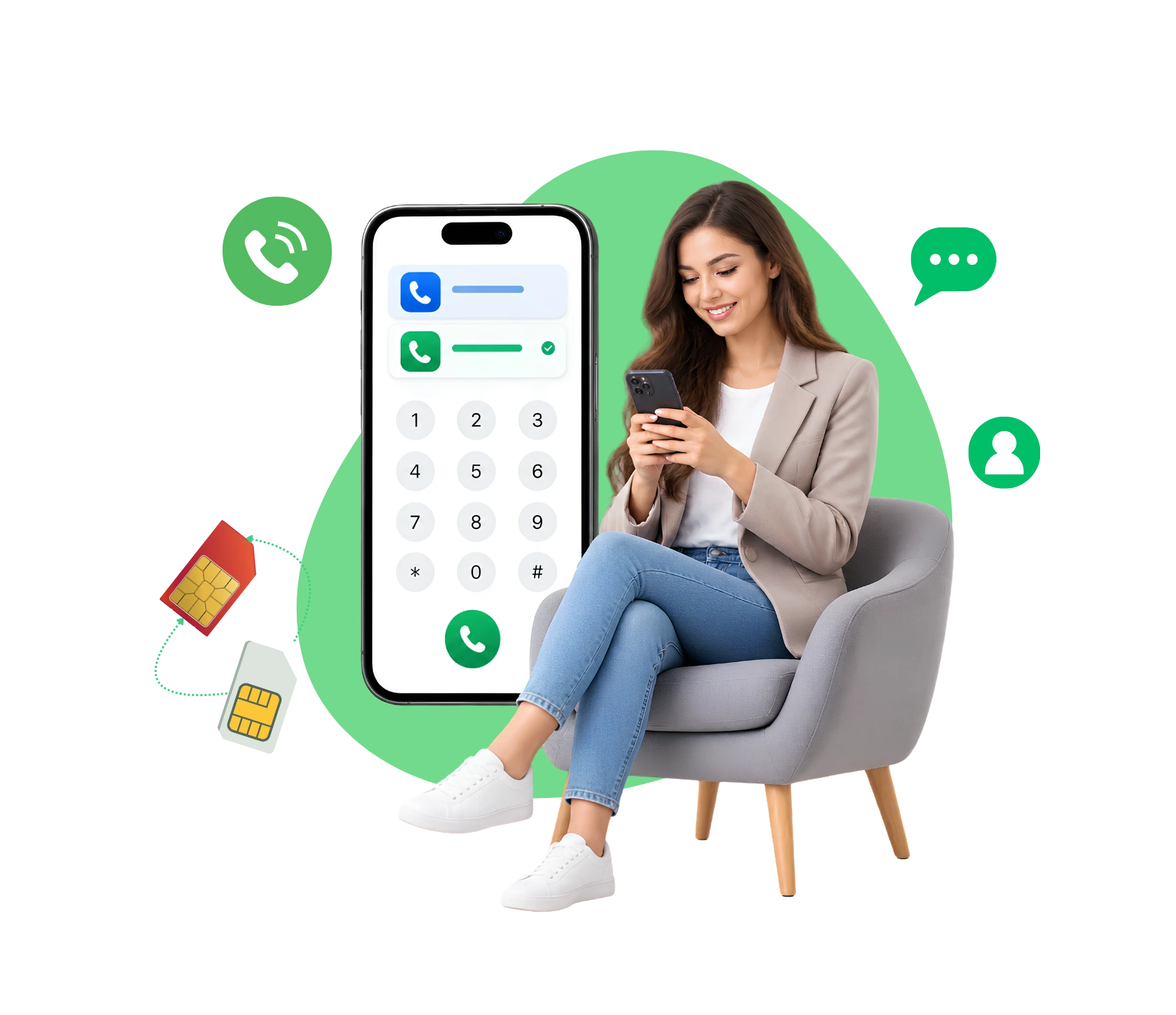
At a basic level, a second phone number app gives you a working number that runs entirely through an app on your existing phone. No new SIM card, no second device sitting in a drawer. You install the app, pick a number (often with your choice of area code), and it starts ringing and texting just like a regular line.
Here’s the actual process, step by step:
- You sign up and choose a number, either a local one or a toll-free option depending on what fits your business.
- The app verifies your identity and connects the number to your account within minutes.
- Calls and texts to that number route straight to the app, so your phone rings the same way it always has, just with a second line showing up.
- You can answer, forward, or send it to voicemail, all without your personal number ever being exposed.
- If you close the app or lose access to your phone, the number itself stays yours it’s tied to your account, not the device.
That’s really the whole appeal. A second phone number app turns what used to be a hardware problem into something you set up in under ten minutes, sitting on your couch.
Why an AI Powered Phone System Makes It Even Better?
This is where things have changed the most in the past couple of years. A basic second line used to just ring and take voicemails. Now, an AI powered phone system does a lot more of the thinking for you.
An AI powered phone system can transcribe voicemails into text so you’re not sitting through a garbled message in a parking lot. It can flag which calls are likely spam before you even pick up. Some can summarize a call automatically, so if you missed the context of a conversation, you get the gist without replaying the whole thing. For sales teams or busy solo operators, it essentially acts like a quiet assistant sitting behind your second number, sorting out what actually needs your attention before you even glance at your phone.
It’s not a gimmick, either. The difference between an old-school second line and an AI powered phone system is the difference between a number that just rings and one that actively helps you manage the flood of calls and texts that come with running any kind of business.
CRM Integration Where a Second Number Becomes a Real Business Tool
Here’s the part that turns a second phone number from a nice-to-have into something that actually moves your business forward CRM integration. Without it, every call and text on your second line just sits there. With CRM integration, that same call automatically logs against the right contact, so your team always knows who called, when, and what was discussed.
CRM integration matters most for teams working leads or managing an ongoing pipeline. Picture a sales rep calling twenty prospects from their second phone number in a single afternoon. Without it, someone has to manually note every outcome afterward, and things get missed. With it, every call, text, and voicemail ties itself to the right record automatically, and the next person who picks up that lead already has the full history in front of them.
For small teams, this same automation also means less time spent on admin work and more time actually talking to customers. It’s a small piece of the puzzle, but it’s often the one that saves the most hours across a busy week, especially once a team grows past just one or two people handling calls.
Who Actually Needs One?
It’s easy to assume this is only for salespeople or big call centers, but the use cases are a lot broader than that in practice:
- Freelancers and consultants who want a professional line without paying for a second phone plan.
- Landlords and property managers who’d rather not give tenants their personal cell number.
- Online sellers on marketplaces who need buyers to reach them without exposing their real number.
- Remote teams where employees need a company number that works from any device, in any city.
- Anyone traveling who wants to keep a local number active back home while abroad.
None of these situations need heavy business infrastructure. They just need a reliable line that isn’t tied to a physical SIM card, which is exactly what modern software solves.
We'd Love to Hear From You
Ready to expand your business globally?
Fill out the form below, and our team will help you choose the perfect number.
Why a Second Phone Number Actually Matters?
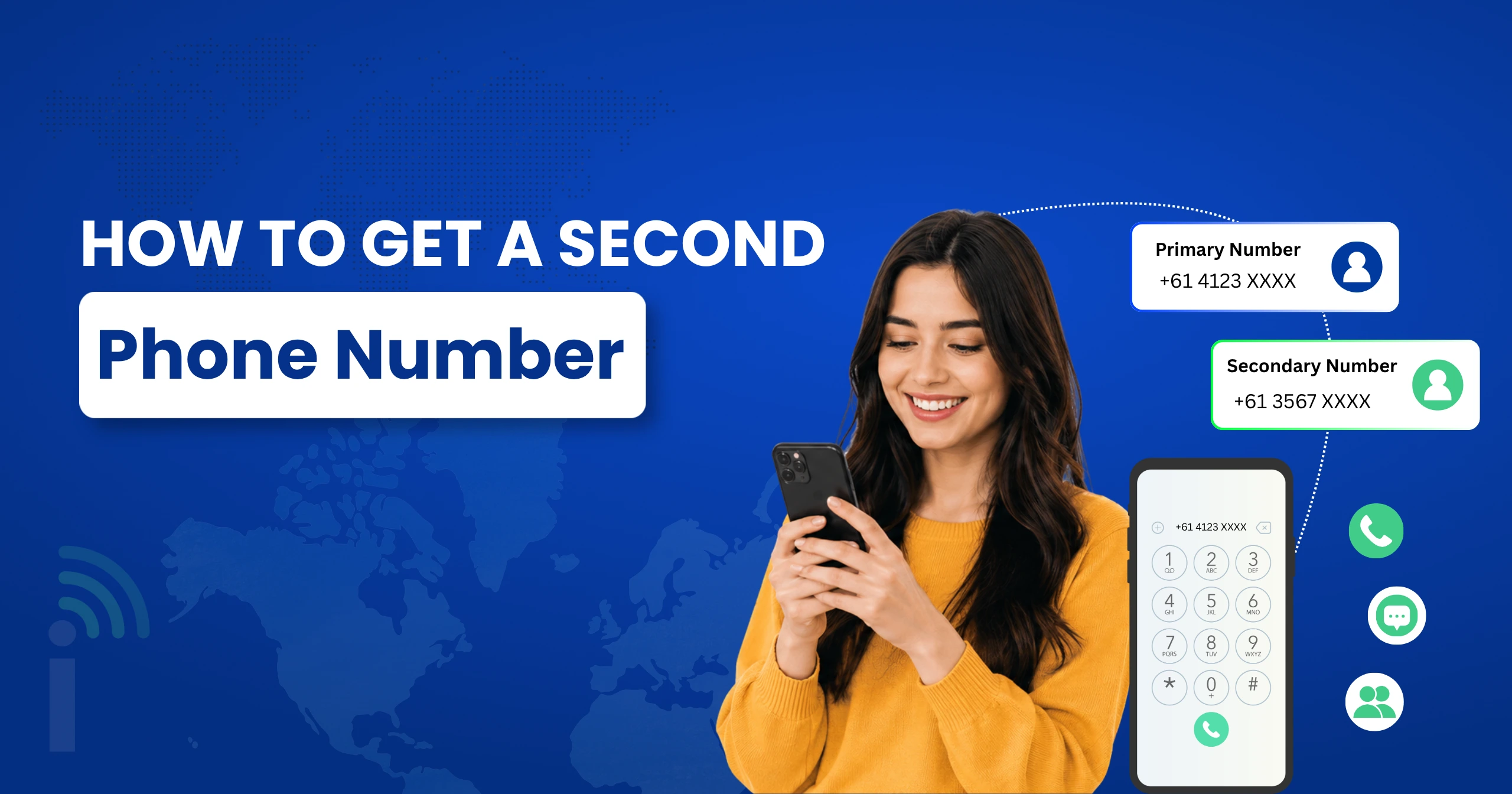
Strip away the tech talk, and the case for a second phone number comes down to a few simple things:
- Privacy: You keep your personal number private from clients, customers, or strangers online, without needing a separate phone.
- Professional Image: A dedicated phone number allows freelancers and small businesses to maintain a more professional image compared to using a personal cell number.
- Flexibility: You can select an area code that’s consistent with your target market, even if you’re not located there.
- Control: Turn it off after hours, forward it to a teammate, or shut it down entirely without touching your main line.
- Organization: Business calls and personal calls stop blending into the same inbox and call history.
None of this is complicated, but it solves a problem that a huge number of people didn’t realize they had until they got their first one and immediately wondered why they waited so long to make the switch.
Why Dialinger Fits as Best Second Phone Number App?
If you’re actually shopping for a second phone number app rather than just reading about the idea, it’s worth checking out Dialinger. It gives you a dedicated number that works across mobile and desktop, built around exactly the kind of flexibility described above: choose your area code, forward calls when you need to, and keep your personal number completely private.
Dialinger also runs on an AI powered phone system under the hood, handling voicemail transcription and smarter call handling automatically. And because it supports CRM integration, every call and text from your second phone number logs itself against the right contact, so nothing gets lost between a conversation and your actual pipeline. If you manage more than one number at once, Dialinger’s multiple numbers feature keeps everything in a single app instead of juggling separate logins.
Setting it up takes a few minutes, and most people who try it end up wondering why they didn’t just do this from the start.
Frequently Asked Questions (FAQs)
How do I actually get a second phone number?
It’s honestly just an app now. Download it, pick a number, and it’s ready to use in a few minutes, no SIM card or store visit involved.
Is a second phone number app safe to use for business calls?
Yes, as long as you’re using a real provider and not some random free app. Your personal number stays hidden the whole time either way.
Does an AI powered phone system cost extra on top of a second number?
Not usually. Most providers just build it into the same plan, so you’re not paying separately for the number and the smart features.
Can CRM integration work with a second phone number, or do I need a separate tool?
It works right alongside it. Every call and text logs itself automatically, so you don’t need to bolt on another tool just to keep track.