AI Voice Agent: Automate Business Calls and Improve Customer Experience
A plumber’s phone starts ringing at 9 p.m. He’s flat on his back under a sink, hands full of tools, and there’s no way he can answer. The caller waits a few rings, hangs up, and just calls the next guy on the list. Just like that, the job’s gone. This kind of thing happens to small businesses every single day. An AI voice agent stops it. It picks up when nobody else can, actually listens to what the person is saying, and talks back in normal, everyday speech. No robotic menus. No “press 3 for billing.”
It books the appointment and locks in a time that works. By the time the plumber finally crawls out from under that sink, the job is already sitting on his calendar. Missed calls stop being lost money and start turning into the next day’s work.

What Is an AI Voice Agent?
It’s basically software that picks up the phone and talks to people like a real person would. The caller tells it what they need, it figures out what they mean, and it answers back in normal speech. A solid one can handle the everyday stuff answering common questions, booking appointments, taking messages, or handing the call over to a human when things get complicated.
You’ll hear it called different things: virtual phone agent, voice bot, AI receptionist. Don’t get hung up on the names. They’re all just ways of saying a computer handles the first part of the call so your team doesn’t have to.
How Does an AI Phone Agent Work?
An AI phone agent can feel like magic the first time you hear one, but it’s really a short chain of steps:
1→
The call lands
The caller dials your number and the system picks up within a ring or two.
2→
Speech becomes text
Speech recognition writes down what the caller says, almost as they say it.
3→
It gives it meaning
A language model can understand what the person is getting at, even if they are rambling or saying it in a strange way.
4→
It looks things up
The agent can look up the answer in your calendar, your help articles or your customer records.
5→
It talks back
A synthetic voice replies, asks a follow-up, or confirms what’s been done.
6→
It wraps up
Tricky calls go to a person along with a summary. Simple ones are logged with notes.
All of that takes a second or two, so the reply feels close to talking with a person. A good AI phone agent also knows when to step aside. If a caller sounds upset or asks for a human, it should pass them along quickly instead of insisting it can help.
Benefits of Using an AI Voice Agent for Businesses
You’ll notice the difference fast. These four benefits show up in almost every business that tries one:
Fewer missed calls
Nobody waits in a queue, and the 9 p.m. caller still gets something useful.
Lower costs
Routine questions are handled automatically, so staff time goes to the harder problems.
Steady service
The tone and accuracy are the same on the first call of the day and the hundredth.
Useful data
Every call is logged, so you can see what people really ask about and fix the cause.
It won’t replace your team, and it shouldn’t. The idea is to lift the repetitive calls off their plate, so people can spend their time on conversations where kindness and judgment matter.
Key Features to Look for in a Virtual Phone Agent
Not every tool is equal, so know what to check. A virtual phone agent should sound natural and work well with the tools you already use. Look for these features:
- Natural-sounding voice:It has to be clear and calm, and able to deal with interruptions without getting confused.
- Accurate speech recognition:Use it with accents, background noise, and people who talk fast.
- Easy handoff to people:If a caller asks for a human, the transfer should feel fast and smooth.
- Your tools connections:Links to your calendar, CRM or help desk allows it to check and update real information on the spot.
- Call summaries and logs: You’ll need a clear record of what was said, and what transpired.
- Safety controls: Look for clear data handling, privacy options, and the ability to limit what the agent can say or do.
How Conversational AI for Calls Improves Customer Communication
Conversational AI for calls is the technology that lets software hold a real back-and-forth with a caller, in everyday language. It follows the thread of the conversation, remembers what was said a minute ago, and responds naturally. Compare a phone menu to a friendly receptionist and you’ve got the idea. In practice it improves communication in four ways:
- People talk normally: No memorizing menu options or guessing which button fits.
- Less repeating: The agent remembers earlier answers, so callers don’t have to say everything twice.
- Quicker answers: Simple questions are settled in seconds, with no transfers.
- Better handoffs: When a person steps in, they see a summary and carry on from there.
How to Choose the Right AI Voice Agent for Your Business
Before you shop for an AI voice agent, work out the problem you’re solving. Missing after-hours calls needs a different tool than a team buried in repeat questions. Then run through these five steps:
- List your top call types: Write down what people ask most, like order status, bookings, or opening hours.
- Try it with a real call: Call it yourself, in a messy, natural way. See how it handles interruptions.
- See what it connects to: If it can’t talk to your calendar, your customer records, it’s not going to do much more than basic answers.
- Conversational AI for calls:Ask about Learn how closely it sticks to context, and what it does when it gets confused.
- Compare cost and support: Look at the full monthly price, including call minutes, and ask what help you get at setup.
Start small. Let it handle one type of call for a few weeks, read the call logs, and fix what’s off before you widen it. Customers forgive a short learning curve far more easily than a system that talks over them.
AI Voice Agents in Different Areas
Healthcare
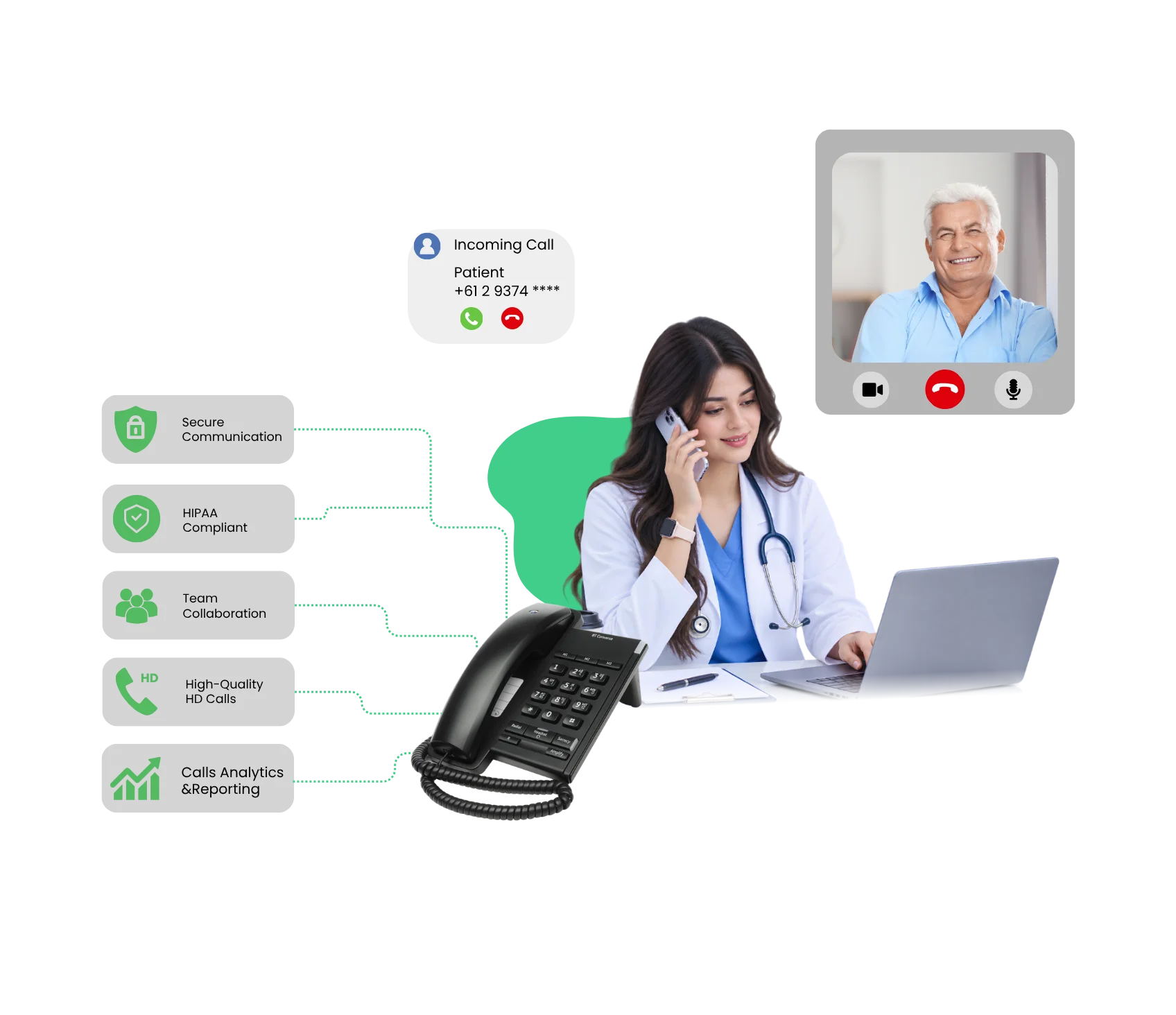
Patient calls get answered right away, appointments get booked and simple messages are taken without anyone waiting. Complex or urgent cases go straight to a nurse or staff member with a clear summary attached.
Freelancing
Client calls never go unanswered while you’re deep in work or offline. Basic questions about availability or rates get handled, and discovery calls get booked so opportunities don’t slip away.
Entrepreneurship
A small team can sound polished from day one without hiring a full-time receptionist. Callers get greeted, routed properly, and every conversation is logged for later.

Where Dialinger Fits In
If you’re looking for an AI voice agent, Dialinger is worth a look. It’s a cloud-based VoIP platform, and its speech recognition AI functionality explains how it turns spoken words into automation. The virtual receptionist feature and phone IVR cover automated call handling. For after-call insight, there’s call analytics. When you talk to the team, ask how its tools support conversational AI for calls, and what a virtual phone agent could look like for your business and How is the system planned for an AI voice agent?
Frequently Asked Questions (FAQs)
Can an AI Voice Agent answer calls 24/7?
Yes. It picks up day or night, even when no one on your team is available. The 9 p.m. call that used to go to voicemail now gets answered right away.
Is an AI phone agent suitable for small businesses?
Definitely. Small teams and solo operators use it to cover the phones without hiring extra staff. It handles the routine calls so the owner can stay focused on the actual work.
Can an AI voice agent integrate with existing VoIP systems?
Yes. The better ones connect to the tools you already use: calendars, CRMs, help desks, and VoIP platforms. So they can check real information and update it during the call.
Can conversational AI handle multiple languages?
The content doesn’t cover language support in detail. Most solid systems can be set up for more than one language, but you’ll want to check that specifically with the provider.