How Does an Automatic Call Distribution Works? From Ringing Phone to the Right Agent
Picture a Monday morning at a small clinic. The phones start ringing at 8:01. One caller wants an appointment, one needs a prescription refilled, and one is a patient in pain who really shouldn’t wait. If all three land on the same front-desk phone, somebody is going to be left holding, and it might be the wrong somebody. Businesses fix this with a tool that decides who picks up each call, and plenty of people search for how does an automatic call distribution works before they choose one.
What Is Automatic Call Distribution?
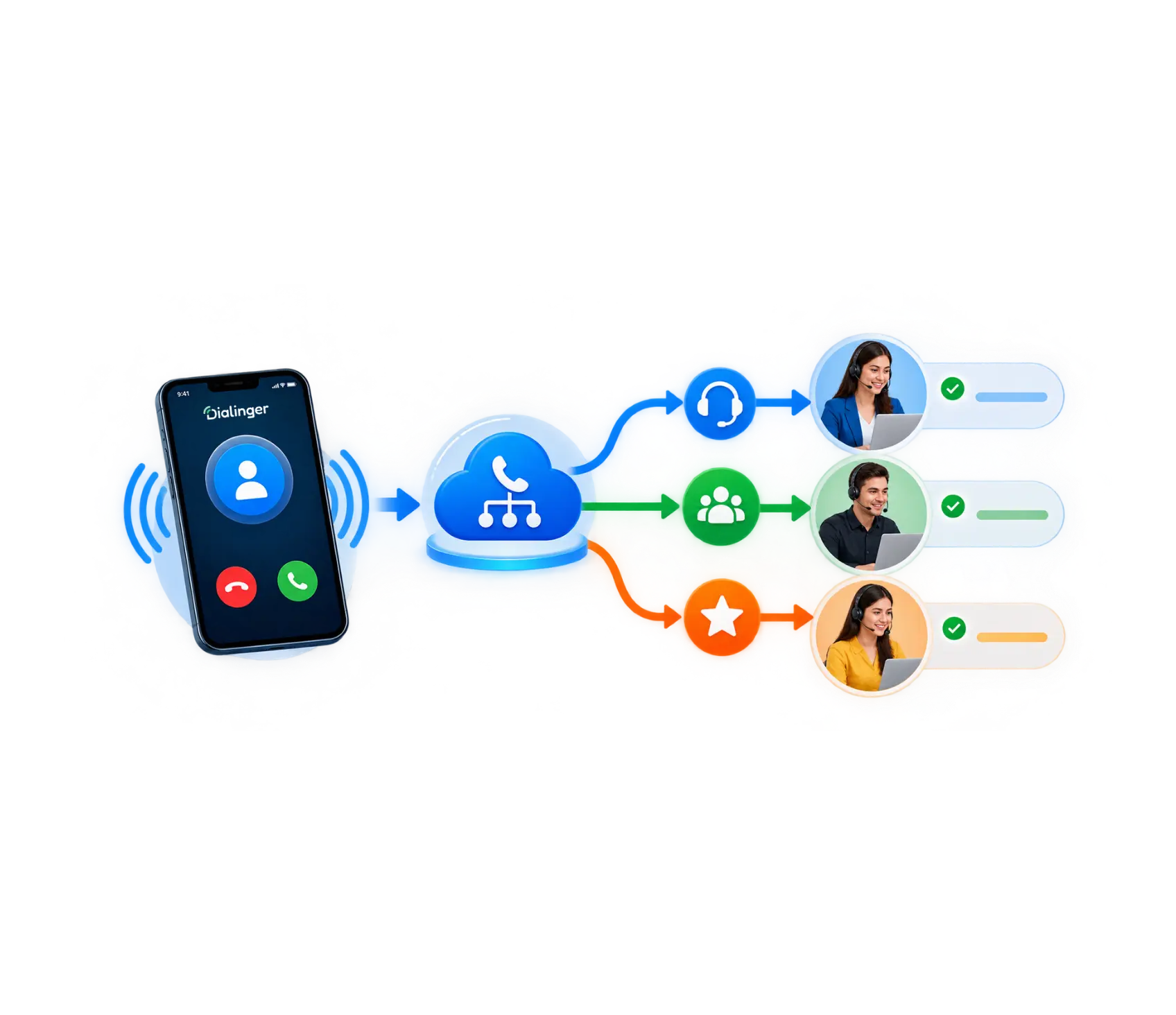
Automatic call distribution, or ACD for short, is a way of sending each incoming call to the right person without anyone sorting calls by hand. You decide the rules once, and the software follows them every single time the phone rings. Where a call ends up can depend on the number dialed, the hour, who’s free, or what the caller pressed on the menu.
A good comparison is the host at a busy restaurant. They don’t let guests wander in and pick a table. They look at what’s open and seat people where it makes sense. An automatic call distribution system does that for phone calls. Put one inside a busy automatic call distribution contact center and the difference is obvious: customers reach someone who can actually help, and agents stop spending half the day passing callers along. After you’ve watched how does an automatic call distribution works in a live office, ringing every desk at once starts to feel a bit ridiculous.
How Does an Automatic Call Distribution Work?
If you’ve typed “how does an automatic call distribution works” into a search bar, here’s the short answer: every call takes the same six steps, and the whole trip lasts a few seconds.
1→
The call arrives
Someone dials your number, and the system picks it up before any person’s phone does.
2→
A menu asks what they need
Something like “press 1 for sales, 2 for support,” so the system learns the reason for the call.
3→
It works out who's calling
The number gets matched against past calls or customer records, which saves the agent from asking the same questions twice.
4→
The rules kick in
The software weighs its routing rules, the time of day, which agents are free, and who has the right skills.
5→
Connect, or wait in queue
A fitting agent who’s free gets the call right away. If not, the caller joins a queue and, with luck, hears a wait estimate.
6→
Everything gets logged
Length, outcome, and who handled it are saved, so managers can look back later.
We'd Love to Hear From You
Ready to expand your business globally?
Fill out the form below, and our team will help you choose the perfect number.
How Does ACD Call Routing Assign Calls to the Right Agent?
Step four is where the clever bit lives. ACD call routing is the rulebook that picks the best person for each call, and there are several ways to write it. Most teams end up mixing two or three:
- Skills-based routing: The call goes to the agent best suited to the problem, say a billing specialist for invoices or a technician for a fault.
- Round robin routing: Calls are routed one at a time to each agent in order, so it’s fair.
- Idle-time routing: The next call is sent to whomever has been waiting the longest. That way no one is sitting idle while a colleague is bombarded.
- Priority routing: Some callers get to skip the queue, like a long-standing client or an emergency number.
- Time-based routing: Calls follow your hours and schedules, reaching the day team, the night team, or voicemail at the right time.
- Data-based routing: The system uses what it knows about the caller, such as account type or order history, to choose the destination.
Key Features to Look for in an ACD Phone System
Once you know how does an automatic call distribution works, comparing tools gets easier, because you can tell which parts matter. When you look at an ACD phone system, these six features deserve a close look:
- Flexible routing rules: You should be able to mix skills, schedules, and priorities, and change them without calling a technician.
- Queue handling: Callers should hear their place in line, and a callback option beats sitting on hold.
- Overflow: If one team is swamped, calls should spill over to another team or a backup number.
- A Built-in menu: Simple IVR screens calls before a human gets involved.
- Live dashboards: Managers can see who’s on a call, who’s free, and how long callers have been waiting, right now.
Benefits of an Automatic Call Distribution Contact Center
A well-run automatic call distribution contact center feels different, both for the customer and for whoever’s wearing the headset. Callers wait less and repeat themselves less. Agents get calls that suit them, and managers can see what’s happening instead of guessing. It’s also the real-life answer to how does an automatic call distribution works: it quietly puts the right person on the line.
Quicker answers
Calls reach a free agent instead of ringing out.
Fewer transfers
The right person picks up the first time, so customers aren't bounced around.
Fairer workloads
Nobody drowns while someone else watches the clock.
Real numbers
You can see call volumes, wait times, and busy hours, then plan staffing around facts instead of hunches.
Happier customers
Short waits and fast help show up in reviews and repeat business.
Calmer agents
People handle problems they actually know how to solve, which takes the edge off the day.
Automatic Call Distribution vs. IVR vs. Call Queuing
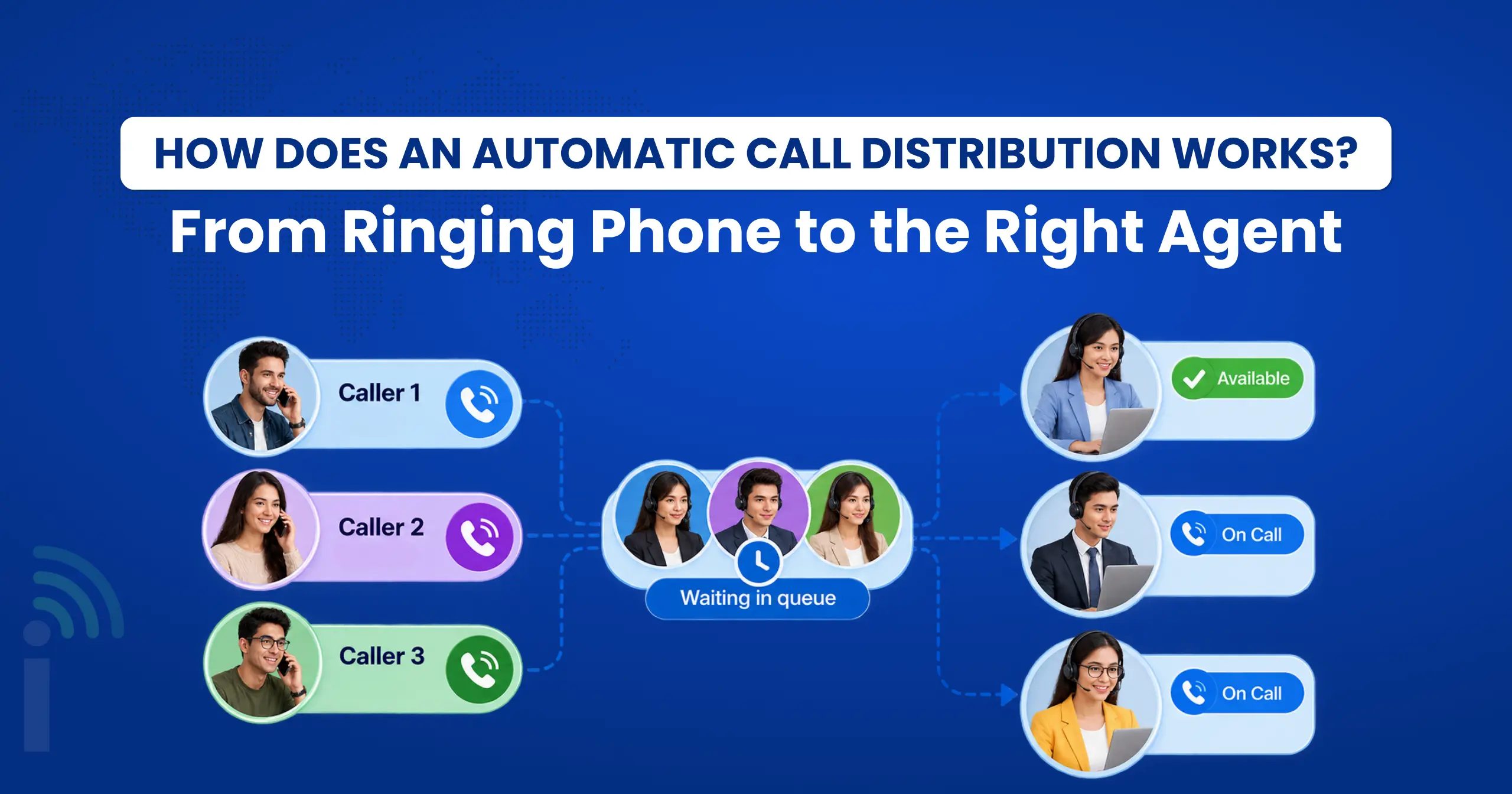
These three get mixed up a lot, mainly because they often work together. An automatic call distribution system decides who answers, an IVR talks to the caller first, and a queue holds callers until someone is free. Most modern ACD phone system setups include all three. Here’s how they differ:
Feature | Automatic Call Distribution | IVR | Call Queuing |
Main job | Chooses which agent or team gets each call | Greets callers with a menu and collects their choices | Holds callers in line until someone is free |
What it uses | Rules, agent skills, and availability | Menu options, key presses, or voice input | Order of arrival, priority, and wait time |
Best at | Getting the right person on the line | Sorting calls before a person gets involved | Handling busy periods without busy signals |
Works alone? | Needs agents and rules in place, and usually pairs with the other two | Can work alone, but can’t tell who’s free | Can work alone, but doesn’t match skills |
How to Set Up an Automatic Call Distribution System
Setting one up sounds bigger than it is. If you’re wondering how does an automatic call distribution works in practice, this is where it starts to feel real. Here are the steps:
- List your call types: Record the major reasons for calls (such as sales, support, billing, and their respective percentages).
- Map agents and skills: Indicate the agents and skills and languages that they are responsible for, including special knowledge.
- Organize your ACD call routing rules: Determine what strategy to use for each type of call; skills first, idle time as a tie breaker.
- Create the call menu: Make it concise, have some clear choices and have a way to contact a person.
- Configure queues and backup rules: Determine what occurs when everything is full or at night hours, such as a callback, overflow or voicemail.
- Test, then roll out: Make test calls from outside the office, fix what feels off, and start with one team before the whole company.
Common Automatic Call Distribution Problems and How to Fix Them
Even a good setup has rough spots, and most are easy to fix once you know where to look. Before you blame the software, go back over how does an automatic call distribution works and check each step, because the problem usually sits in one rule or one setting. If callers seem to land in the wrong place, the culprit is often an old rule that nobody updated when the team changed.
Here are four problems that come up often:
- Long waits: Check whether you have enough agents at peak hours, and add overflow rules and a callback option.
- Calls going to the wrong team: Review your menu wording and your skill tags, since confusing options send people in circles.
- Callers hanging up in the queue: Shorten the menu, give honest wait estimates, and offer a callback.
- Agents overloaded: Switch to idle-time or round-robin routing, so calls are shared more evenly.
How to Measure Automatic Call Distribution Performance
You can’t improve what you don’t measure, and a few numbers tell most of the story. Start with average wait time and how fast calls are answered, since those show how customers feel at the front door. Then watch the abandonment rate, which is the share of callers who hang up before reaching anyone, and first-call resolution, which shows whether the right person was reached the first time. Look at transfer rates too, because a high number usually means your ACD call routing needs tuning. Finally, check how busy your agents are. If some are always swamped and others are barely used, your rules aren’t spreading calls well. Review these numbers weekly at first, then monthly, and compare them against your own past results instead of chasing a number you saw somewhere else.
Where Dialinger Fits In
If you want routing that doesn’t need a huge setup, Dialinger is worth a look. It’s a cloud-based VoIP platform, and its automatic call distribution explains how it sends each call to the right agent. Its phone IVR handles the opening menu, and live call monitoring lets managers watch calls as they happen. For a full support team, the virtual call center solution brings routing, queues, and reports together, and call traffic insights shows where calls pile up. When you talk to the team, ask how its automatic call distribution system handles skills and overflow, how it works as an ACD phone system for your team size, and whether it suits an automatic call distribution contact center like yours. If you’re still asking how does an automatic call distribution works for your setup, a demo is the quickest way to see it.
Frequently Asked Questions (FAQs)
Can an automatic call distribution system route calls based on agent skills?
Yes, that’s one of its most useful features. Skills-based routing sends a billing question to your billing specialist and a fault report to a technician. Callers get the right person the first time instead of being passed around.
What is the difference between ACD and IVR?
IVR is the menu that talks to the caller first and collects their choice. ACD takes that choice and decides which agent or team actually answers. They usually work together, but they do different jobs.
Is an ACD phone system suitable for small businesses?
Absolutely. Even a small team gets value from calls reaching a free person instead of ringing out. Cloud-based setups also keep things simple, so you don’t need a big IT team or a huge budget to get started.
Can ACD integrate with VoIP and CRM systems?
Yes. ACD runs naturally on a VoIP platform, and linking it to a CRM lets the system recognize callers and show their details to the agent. That means no repeating account information every time someone calls.