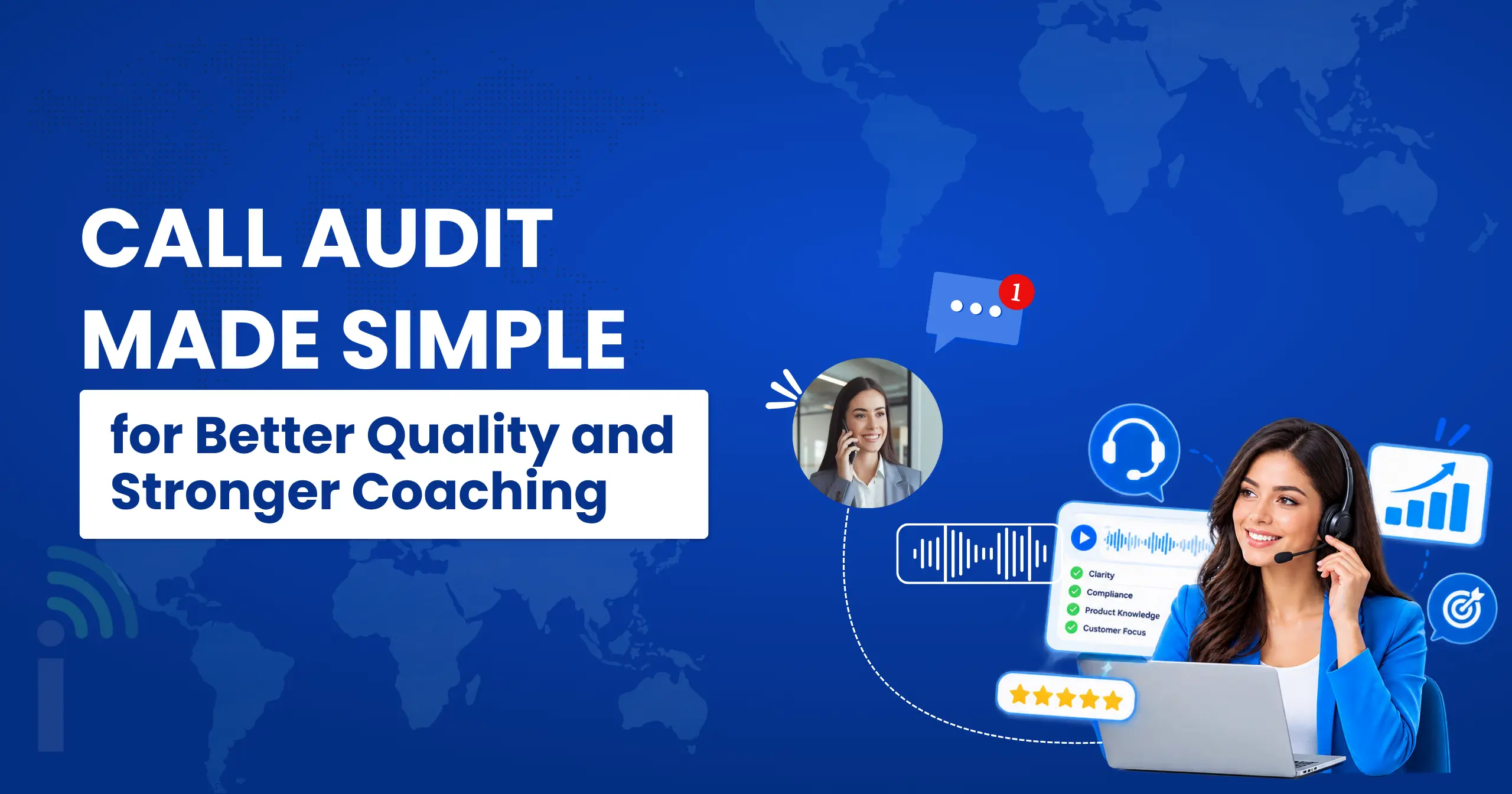
Call Audit Made Simple for Better Quality and Stronger Coaching
Ask any call center manager how their team sounds on the phone and you’ll usually get a confident answer. Ask how they know, and things get quiet. A customer can hang up annoyed, an agent can skip a required line, and nobody finds out unless someone actually listens. That’s the job of a call audit. It swaps “I think we’re doing fine” for something you can check, measure, and improve.

What Is a Call Audit?
Think of it as a report card for real conversations. Someone listens to a call, or reads the transcript, and scores it against a checklist. Did the agent greet the customer warmly, listen properly, solve the problem, and follow the rules?
The scorecard is what makes it different from casual listening. Every call gets measured the same way, so no agent gets judged harder than another. Many teams call this a call quality audit, and it sits right at the heart of quality assurance in call center work. Most reviews look at:
- Greeting and tone of voice
- Whether the information was accurate
- Compliance with scripts and required disclosures
- How well the agent solved the problem and owned it
- How the call wrapped up
Why Call Audit Matters for Your Business
Reviewing calls takes time, so here’s what you get back:
Better customer experience
Customers rarely say what went wrong, but a review shows you exactly what they heard, from rude phrasing to long silences.
Stronger coaching
A call quality audit hands managers real moments to point to, and “listen to this part” lands far better than “be more empathetic”.
Lower risk
If you have to read disclosures or handle payment details a certain way, reviews catch slip-ups before they turn into fines or complaints.
Fewer repeat problems
Patterns jump out when you look at lots of calls, and without a regular call audit the same confusing policy can annoy customers for months.
How to Improve Quality Assurance in Call Center Teams
You don’t need a giant program. A few habits, done every week, beat a fancy plan nobody follows. Start here:
- Keep the scorecard short: Eight to ten items is plenty, because long forms wear reviewers out and scores get sloppy.
- Review a fair sample: A few calls per agent each week, with some good ones in the mix and not just the bad ones.
- Share feedback fast: A comment a month later is forgotten, so aim to talk within a few days.
- Coach with real clips: Play a short moment and talk it through together, since people learn quickest when they hear themselves.
- Show agents their own scores: When people know how they’re measured they improve faster, and they often spot their own mistakes.
- Watch trends, not only scores: Look for problems that repeat across the team, and tweak the scorecard as your business changes.
Why Call Recordings Are Essential for Audits
You can’t review what you can’t replay. Live listening catches only a sliver of what happens, and memory plays tricks on everyone. With a recording, a reviewer can pause, rewind, and find the exact second a call went right or wrong. A call audit without recordings is mostly guesswork.
It’s fairer too. A call recording audit lets the agent hear the same clip the reviewer heard, so nobody argues about who said what. It also protects you in customer disputes, because you have proof of what was promised. A steady call recording audit gives you great training material for new hires, and it backs up quality assurance in call center work with evidence instead of opinions. One thing to keep in mind: recording laws differ by country and state, so check the rules where you and your callers are, and let people know when calls are recorded.
Why Call Audit Matters for Your Business
Spreadsheets are fine at the start, then they get messy fast. Good call audit software saves hours and keeps reviews consistent. Look for these six things:
Easy recording search
You should be able to find a call by agent, date, or customer in seconds.
Custom scorecards
Your checklist should match your business, not a template that doesn’t fit.
Transcripts
Text versions of calls make it quicker to skim and search for key phrases.
Reports and trends
Dashboards by agent, team, and topic help you spot patterns early.
Integrations
A link to your CRM or ticket system lets reviewers see the story behind a call.
Simple sharing and permissions
Managers can send feedback easily, and only the right people can see sensitive calls.
How to Run an Effective Call Audit Process
A good process is boring in the best way, because it’s the same steps every time. Here’s a simple version:
Step 1-> Set a clear goal: Decide what you want to improve, such as customer satisfaction, compliance, or sales conversations.
Step 2-> Build the scorecard: Spell out what a good score looks like, so two reviewers would score the same call the same way.
Step 3-> Select the calls:Mix of random calls and calls that need attention i.e. escalations, long calls, or calls with low customer satisfaction scores.
Step 4-> Review and score: Listen to the entire call, take notes and audit each call recording in the same way, with a second reviewer checking a few to keep scoring fair.
Step 5-> Give feedback and follow up: Meet with the agent, share clips, agree on one or two things to work on, and use call audit software to track progress while running a call quality audit on a regular schedule.
Exploring the Similar Features of Dialinger
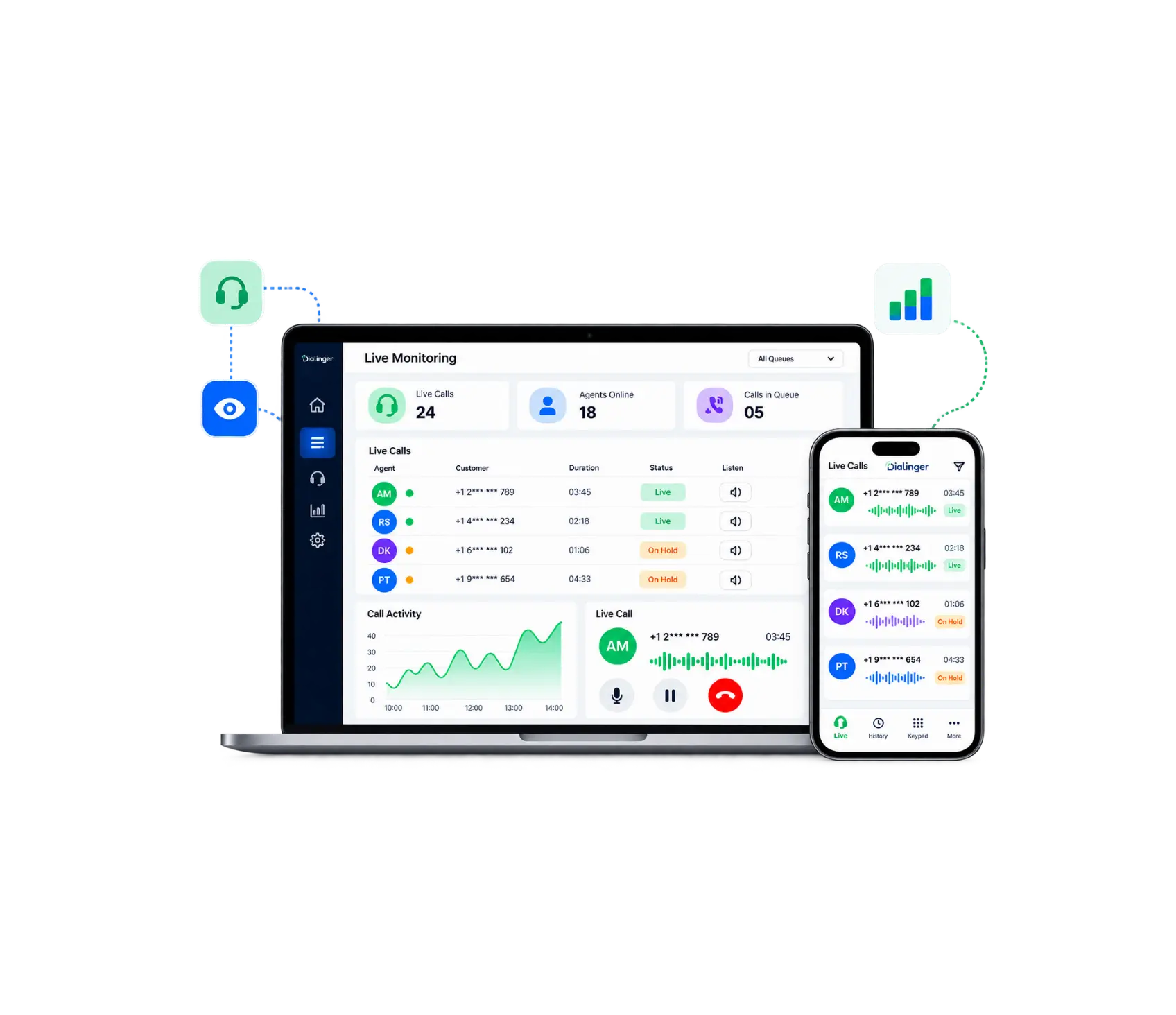
Live Call Monitoring
Listen to live calls in real time, whisper advice during calls or intervene when necessary without the customer knowing.
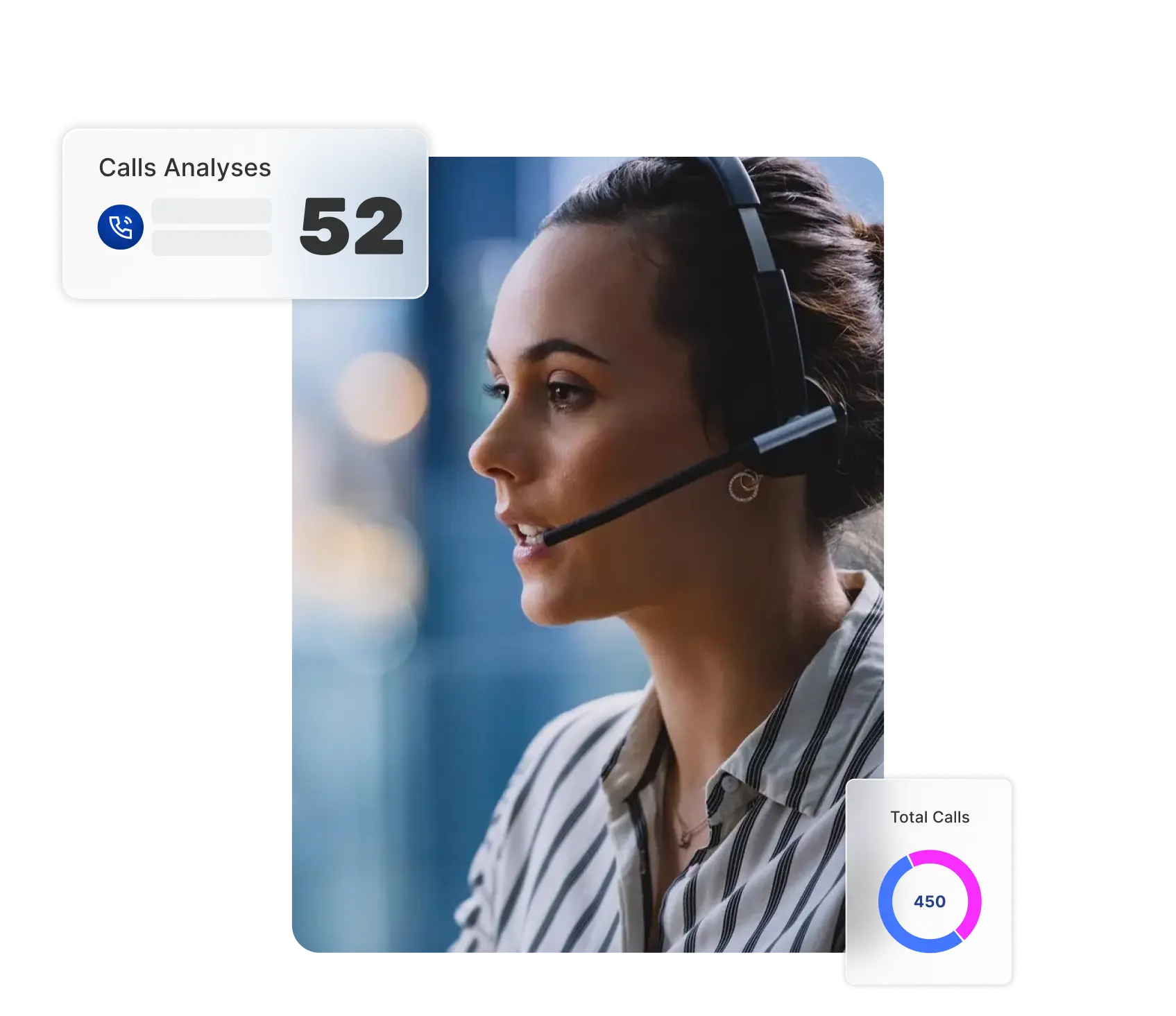
Call Analytics
Visualize call volume, duration, missed calls and team performance to know what's working and what needs attention.
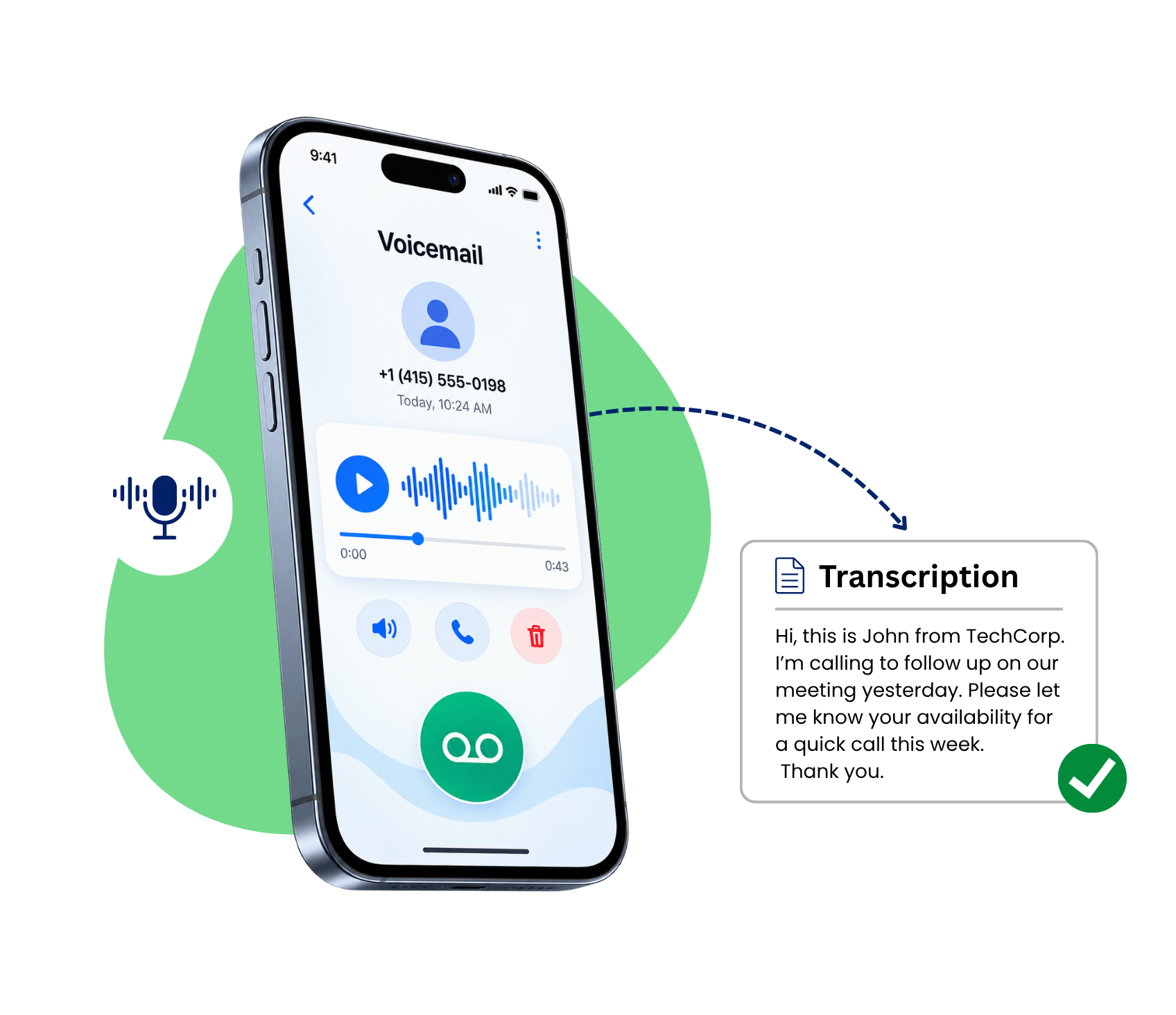
Voicemail Transcription
Automatically convert voicemails to readable text, to check more messages without listening to each one.
Where Dialinger Fits In
If you want a platform that supports your call audit routine, Dialinger is worth a look. It’s a cloud-based communication platform, and its call center software helps teams manage calls from one place.
When you talk to the team, ask how recordings, history, and reports can support your call audit and your call quality audit routine. Ask how a call recording audit would work with their recordings, and how it fits alongside any call audit software you already use. It’s also worth asking how it can fit into your quality assurance in call center setup.
Frequently Asked Questions (FAQs)
How many calls should I review for each agent?
Honestly, there’s no perfect number. Most teams start with a few calls per agent each week and adjust from there. A small team can afford to review more, while a big one has to sample. What matters is that the mix is fair, so throw in some random calls along with the tricky ones.
Who should be the one listening to the calls?
Usually a team lead, a quality analyst, or a manager who knows what a good call sounds like. Some teams also let agents score their own calls or a coworker’s. It sounds odd at first, but it helps people catch habits they didn’t know they had.
Should agents know their calls are being reviewed?
Yes, and the sooner they hear it the better. Tell them why you do it, how scores get used, and how they can see their own results. People take feedback much better when they know the point is to help them improve, not to catch them out.
How often should I change the scorecard?
A couple of times a year is a good rhythm, plus any time something big shifts, like a new product, a new policy, or a new type of call. Here’s a handy sign it’s due for a refresh: reviewers keep asking, “Wait, how do I score this one?”